2026-10-19 ·
Complete Guide to Sewage disinfection and sanitization in Severn, Maryland
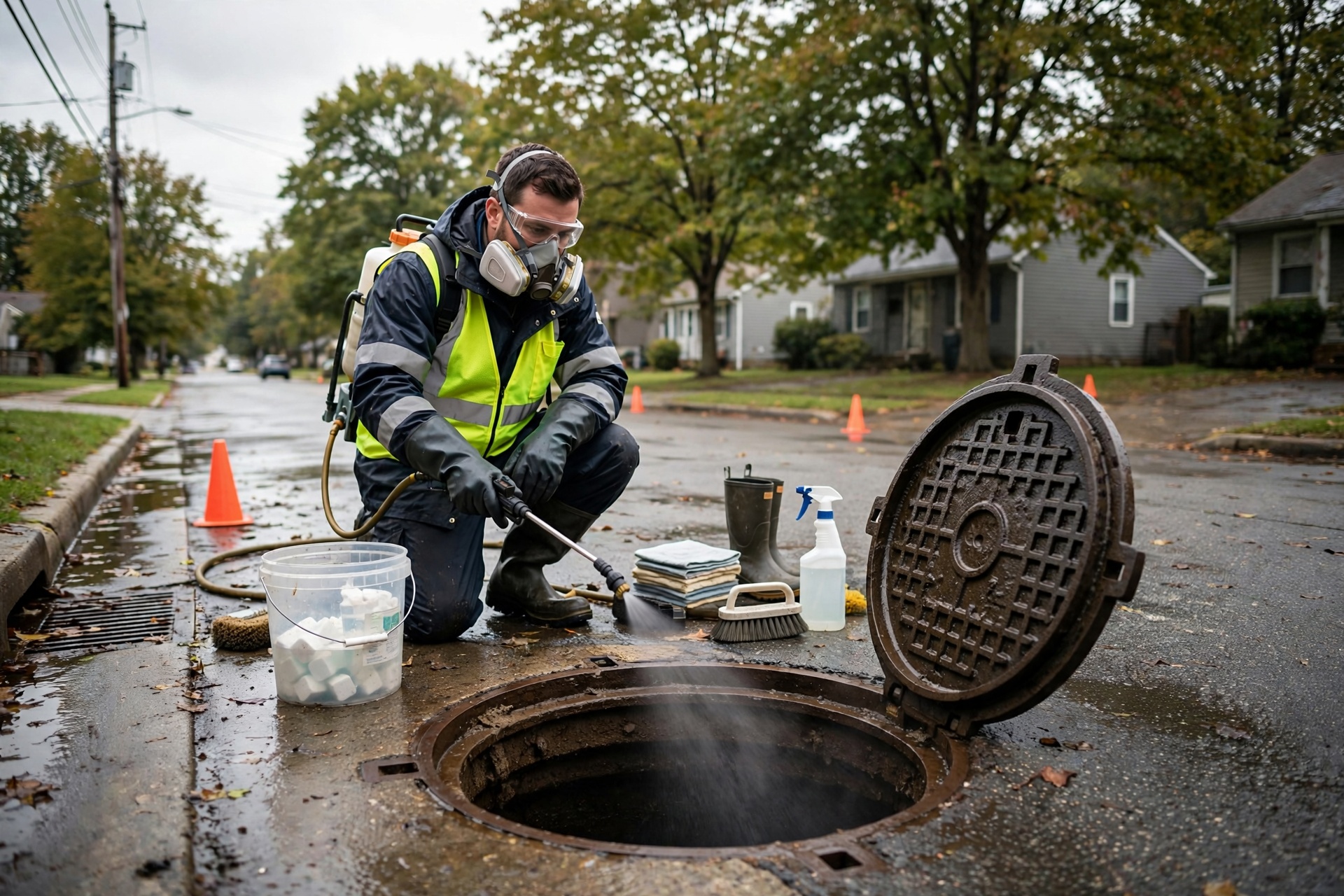
Sewage disinfection and sanitization in Severn, Maryland begins with complete extraction of contaminated water and solids, followed by application of hospital-grade disinfectants across all affected surfaces to neutralize bacteria, viruses, and parasites common in black water events.
Assessing Contamination in Severn and Odenton Homes
Anne Arundel County properties in neighborhoods like Meade Village and Provinces often feature homes built from the 1960s onward with cast-iron or clay sewer lines that crack under shifting soils. After a sewage backup, visible sludge on concrete slabs or carpet padding signals immediate need for removal before pathogens spread through HVAC returns. The humid subtropical climate brings frequent summer storms that saturate yards and raise groundwater, pushing more waste into basements than in drier regions. Technicians test pH levels and ATP readings on site to map contamination depth rather than relying on visual inspection alone. Homes near Glen Burnie or Annapolis with finished lower levels require extra attention to drywall wicking, where moisture travels upward several inches above the flood line.
Disinfection Protocols for Local Conditions
After extraction, crews apply a two-step process using EPA-registered quaternary ammonium compounds first to break down organic matter, then phenolic or bleach-based agents for broad-spectrum kill on porous materials. In Severn's mild winters, temperatures rarely drop low enough to slow bacterial growth, so disinfectants must dwell for the full labeled contact time even on cold days. Numbered steps include: 1) remove all standing liquid and solids, 2) clean with detergent to lift embedded waste, 3) rinse, 4) apply disinfectant in overlapping passes, and 5) verify with swab testing. Sewage odor removal often follows when hydrogen sulfide lingers in wall cavities after initial treatment.
Sanitization Challenges from Regional Weather and Terrain
Hot, humid summers in Anne Arundel County accelerate mold growth on any remaining moisture within 24–48 hours, making rapid structural drying essential alongside disinfection. Flat lots common in Quail Run and Ridgeway trap runoff, increasing the volume of sewage that enters homes during heavy rains. Older plumbing in Pioneer City and Harmans frequently backs up from tree-root intrusion or grease buildup, leaving grease films that shield microbes from disinfectants. Crews therefore use foaming agents that cling to vertical surfaces and penetrate porous concrete. Structural drying and dehumidification follows sanitization to bring moisture content below 15% before any reconstruction.
Post-Treatment Verification and Ongoing Risks
Final verification includes ATP meters showing readings under 100 relative light units on previously contaminated surfaces and visual confirmation that no residue remains. Residents in Stillmeadows or Odenton should avoid re-entry until odors dissipate and air quality tests clear. Linking to further reading, the complete guide to structural drying and dehumidification in Severn, Maryland details equipment placement for these humid conditions. Another useful resource covers related hazards in the complete guide to black water cleanup in Severn, Maryland. Proper follow-up prevents recurring issues from incomplete pathogen elimination in the county's variable water table.